
Occupational Health and safety
Understanding Legionella: The Hidden Risk in Our Water Systems
Legionella bacteria thrive in warm water systems found in homes and workplaces, causing serious pneumonia known as Legionnaires’ disease. Learn what it is, where the risks hide, how it affects health, and the simple steps that can keep you safe.
Legionella is a genus of bacteria that naturally occurs in freshwater environments such as lakes, rivers, and streams. In these natural settings, levels are usually too low to pose a significant threat. Problems arise when the bacteria find their way into human-made water systems, where warm temperatures, stagnant water, and biofilms (slimy layers of microbes that cling to pipe surfaces) allow them to multiply to dangerous levels.
The most common disease-causing species is Legionella pneumophila. People become infected primarily by inhaling tiny aerosolized water droplets containing the bacteria, not by drinking the water (though aspiration of contaminated water can occasionally cause infection in vulnerable individuals). The bacteria do not spread person-to-person under normal circumstances.
How Legionella Grows and Spreads
Legionella thrives in water temperatures roughly between 25–45°C (77–113°F), with optimal growth often around 35–37°C. It survives and multiplies inside biofilms and within free-living amoebae that live in water systems. Stagnation, low disinfectant residual (such as chlorine), scale, corrosion, and sediment create ideal conditions. When water is aerosolized, through showers, faucets, cooling towers, or spas, the bacteria become airborne and can be inhaled deep into the lungs.
Where It Hides in Homes and Workplaces
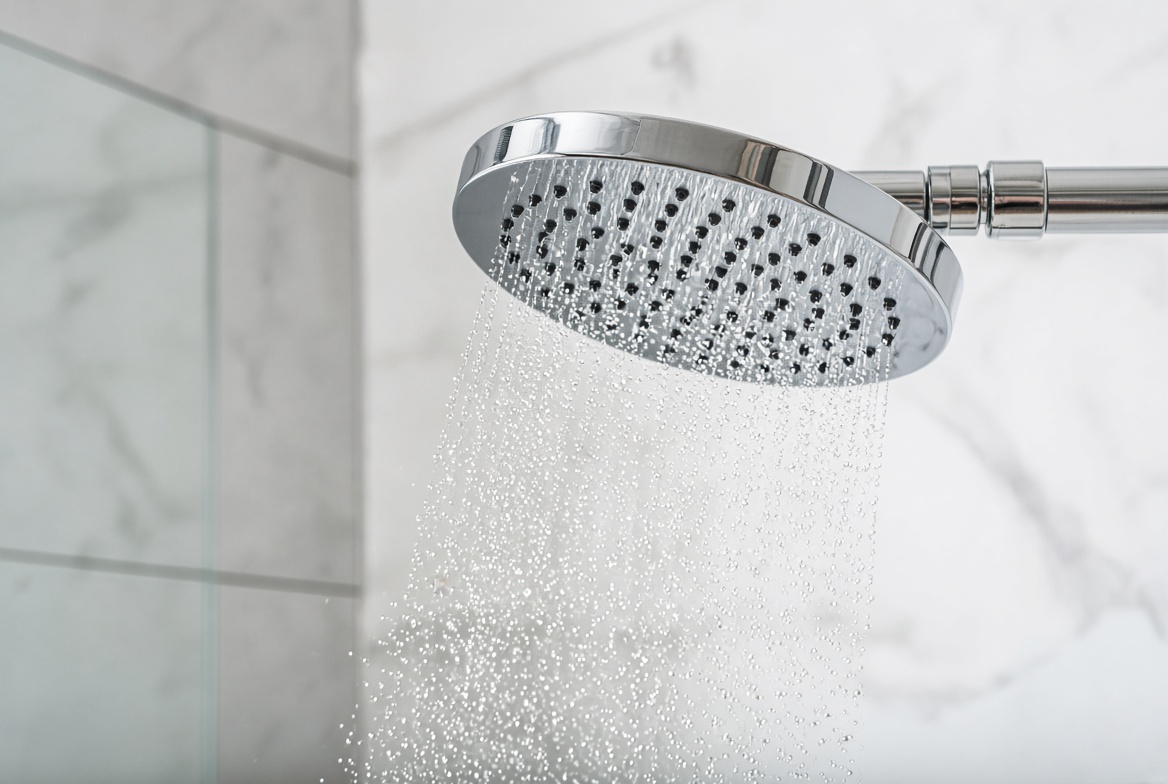
In homes, common sources include showerheads and faucet aerators, hot water tanks and heaters (especially if set too low), hot tubs, spas and whirlpool baths, humidifiers, decorative fountains, and infrequently used outlets or “dead legs” in plumbing.
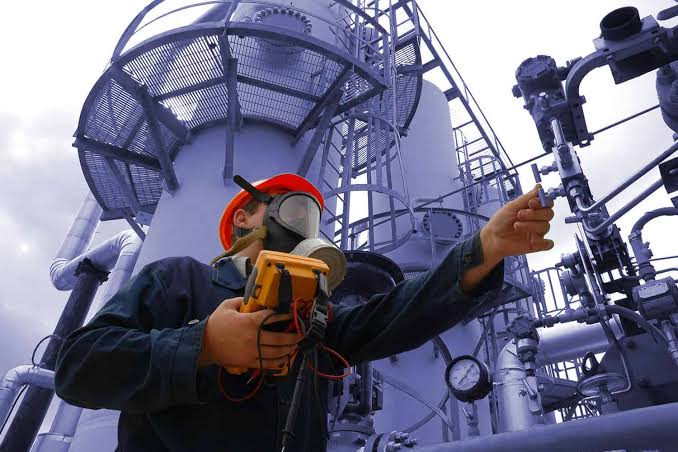
In workplaces and larger buildings the risk expands significantly. Cooling towers used in air-conditioning systems are a frequent source of community outbreaks. Complex plumbing systems in offices, hotels, hospitals, and long-term care facilities, decorative water features, and industrial equipment that generates mist also pose risks. Large or complex water systems are particularly prone because they offer more opportunities for stagnation, temperature fluctuations, and biofilm formation.
Impact on Human Health
Infection can cause two main illnesses collectively known as legionellosis.
Legionnaires’ disease is a severe form of pneumonia. Symptoms typically appear 2–14 days after exposure and include high fever, cough, shortness of breath, muscle aches, headache, and sometimes diarrhea, confusion, or nausea. It can progress rapidly and requires prompt antibiotic treatment. The overall case fatality rate is around 10%, but it can be much higher in hospital-acquired cases or among high-risk individuals.
Pontiac fever is a milder, flu-like illness with fever, chills, headache, and muscle aches that usually resolves on its own within a few days without pneumonia.
Most healthy people exposed to the bacteria do not become ill. Those at highest risk include people aged 50 and older, current or former smokers, individuals with chronic lung disease, weakened immune systems, diabetes, kidney or liver disease, and those recovering from recent surgery or hospitalized.
Practical Prevention Strategies
Prevention centers on limiting growth and reducing aerosol exposure.
At home: Set your water heater to at least 60°C (140°F) where local codes allow, and ensure hot water reaches outlets above about 50–55°C. Use thermostatic mixing valves if scalding is a concern. Clean and disinfect showerheads, faucet aerators, and humidifiers regularly according to manufacturer instructions. Flush infrequently used taps and showers for several minutes periodically. Maintain hot tubs and spas properly with correct disinfectant levels and regular cleaning. Consider point-of-use filters if someone in the household is at high risk.
In workplaces and larger buildings: Implement a formal water management program that identifies risk points, monitors temperatures and disinfectant levels, and addresses stagnation. Maintain cooling towers with proper biocide treatment, regular cleaning, and scale/corrosion control. Eliminate or regularly flush dead legs in plumbing. Ensure decorative fountains and other water features are cleaned and treated.
Good building water management is the single most effective public-health measure against Legionnaires’ disease outbreaks. Most documented outbreaks have been linked to preventable failures in system maintenance.
Final Thoughts
Awareness and routine maintenance go a long way. Legionella is a classic example of how modern infrastructure can create niches for ancient microbes, but with temperature control, cleanliness, and attention to system design, the risk can be kept low for most people. If you or someone in your household falls into a higher-risk group and develops pneumonia-like symptoms after possible water exposure, seek medical care promptly and mention the possibility of Legionnaires’ disease so appropriate testing can be done.
Share this
