

Occupational safety
Beyond Compliance: Making Occupational Health and Safety a Business Priority
Discover why proactive occupational health and safety is crucial for sustainable operations, reducing workplace risks, and building a resilient workforce
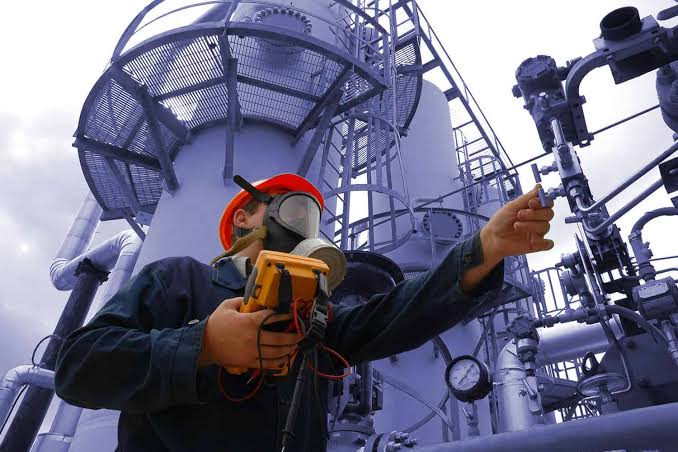
In today’s industrial environment, occupational health and safety (OHS) is more than a regulatory requirement. It is an essential part of operational resilience, employee wellbeing, human right and sustainable business performance.Effective OHS management goes beyond responding to incidents. It requires organizations to proactively identify hazards, assess risks and verify that controls are effective. The key question should not only be “Are we compliant?” but also “Are we effectively controlling the risks that could harm our people and operations?”Occupational hygiene plays an important role in identifying health risks that may not be immediately visible. Depending on the workplace, assessments may include noise monitoring, heat stress evaluation, illumination surveys, indoor air quality assessment and ergonomic evaluations. These provide objective information that can guide appropriate control measures.Environmental risks should also be considered as part of overall operational risk management. Environmental aspect and impact assessments, waste management, emissions monitoring and resource-use controls can help organizations reduce environmental impacts while improving efficiency and compliance.Most importantly, safety performance should be driven by prevention and evidence, not just incident statistics. Leading indicators, inspections, risk assessments, exposure monitoring and corrective actions can help organizations identify weaknesses before they result in injury, illness, environmental harm or operational disruption.Ultimately, a strong HSE culture is created when risk management becomes part of how work is planned and performed not simply the responsibility of the HSE department.The goal is not merely to comply. It is to understand risk, control it effectively and create a workplace where people, operations and the environment can thrive.
Share this
Related reading